How Not to Fall into a Predatory Journal in Scopus: A Guide for Researchers

Introduction
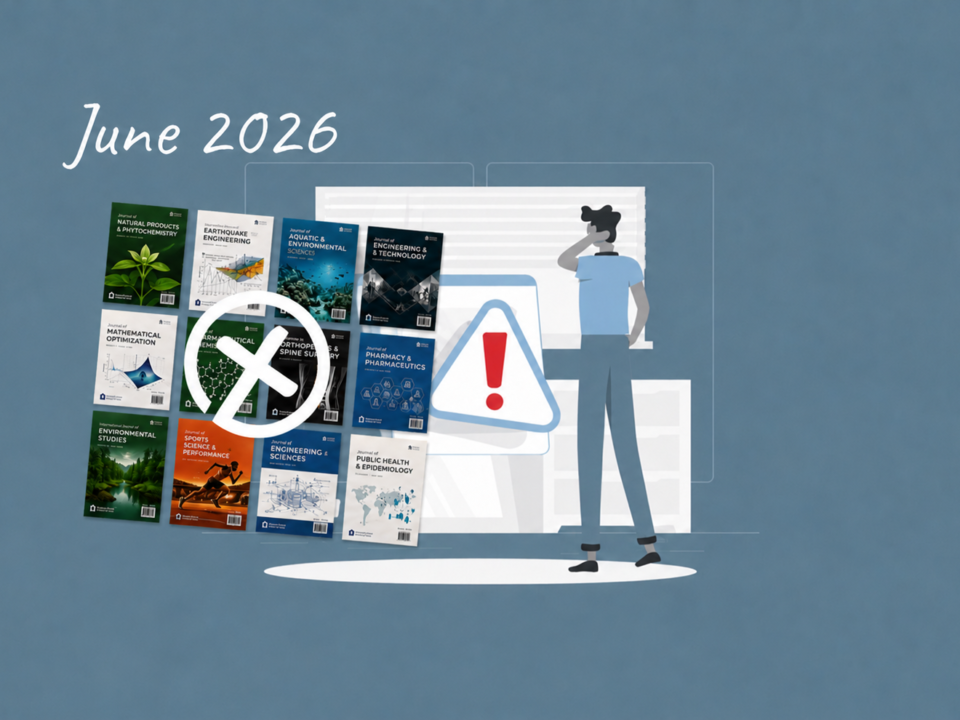
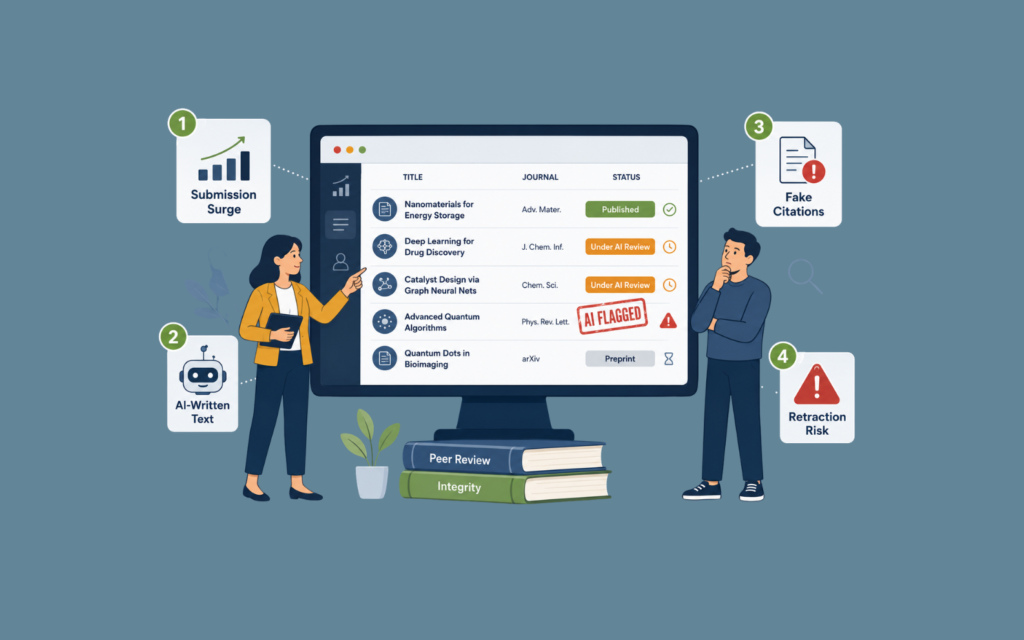
In recent years, there has been a significant increase in the number of researchers publishing their work in predatory journals, particularly those that claim to have high percentiles in Scopus. These journals attract authors by promising fast publication but can lead to serious long-term consequences. For many scholars, it is essential that the journal remains active and properly indexed at the time of thesis defense, career evaluation, or other academic milestones. That is why we have prepared this brief guide to help you assess journals in advance and avoid falling into predatory publishing.
How Researchers Around the World Fall into the Trap of Predatory Journals — and How to Avoid It
One of the main reasons researchers worldwide fall victim to predatory journals is the pressure to meet academic requirements. Whether it is for defending a thesis, earning a degree, or advancing in their academic career, scholars are often required to publish in journals with high percentiles. In the rush to get published quickly and with minimal effort, many researchers become vulnerable to deceptive publishers.
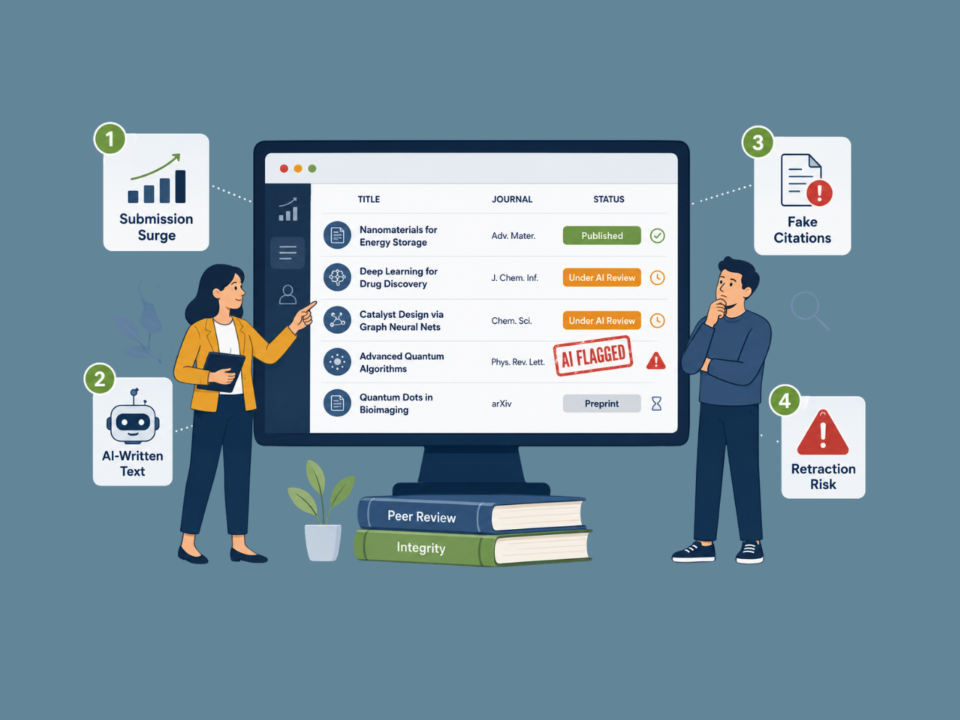
The most common scenario starts with an email invitation to publish. The editorial team promises a fast review process and quick publication for a certain fee. At first glance, these journals appear legitimate — they have websites, editorial boards, and even follow formal academic structures. The researcher submits a paper, receives approval in just a few days, pays the fee, and the article is published — sometimes even indexed in Scopus or Web of Science.
But soon after, the journal begins mass-publishing dozens or even hundreds of similar articles. As a result, indexing platforms conduct audits, and the journal gets delisted. This is one of the most frequent scenarios that causes researchers to lose their money, time, and reputation.
How to Avoid Publishing in a Predatory Journal
Critically evaluate publication invitations
Getting invited to publish is not inherently bad — it is a common marketing tool. However, if the email promises fast peer review and quick publication, it is a red flag. Even if your article has already been accepted, if the process seemed too fast and easy, it may be wise to withdraw it and seek a more reliable journal.Review the Aims & Scope
Check if the published articles align with the journal’s declared subject area. For example, if an economics journal suddenly starts publishing articles on medicine or engineering, that is a warning sign. Always browse recent issues in the archive to verify consistency.Assess the quality of published articles
Look through the last 3–4 issues. If the articles are only 5–6 pages long and the references are poorly formatted or minimal (5–10 sources), the journal’s academic quality is questionable.Check the volume of publications
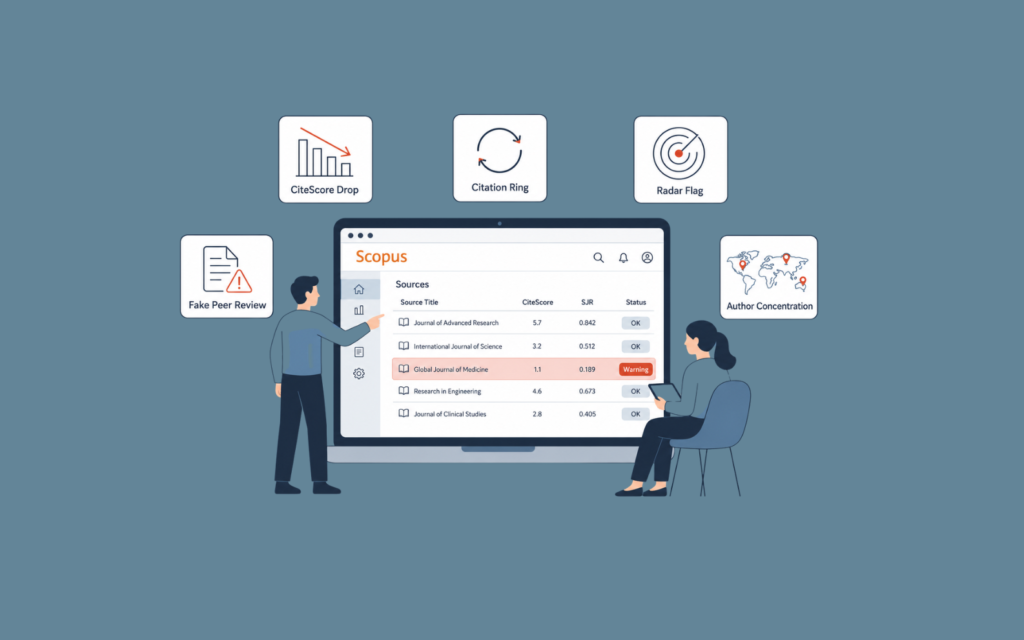
A sudden spike in the number of published articles is a red flag. Reputable journals maintain a consistent and reasonable number of papers per issue.Read reviews and check reputation
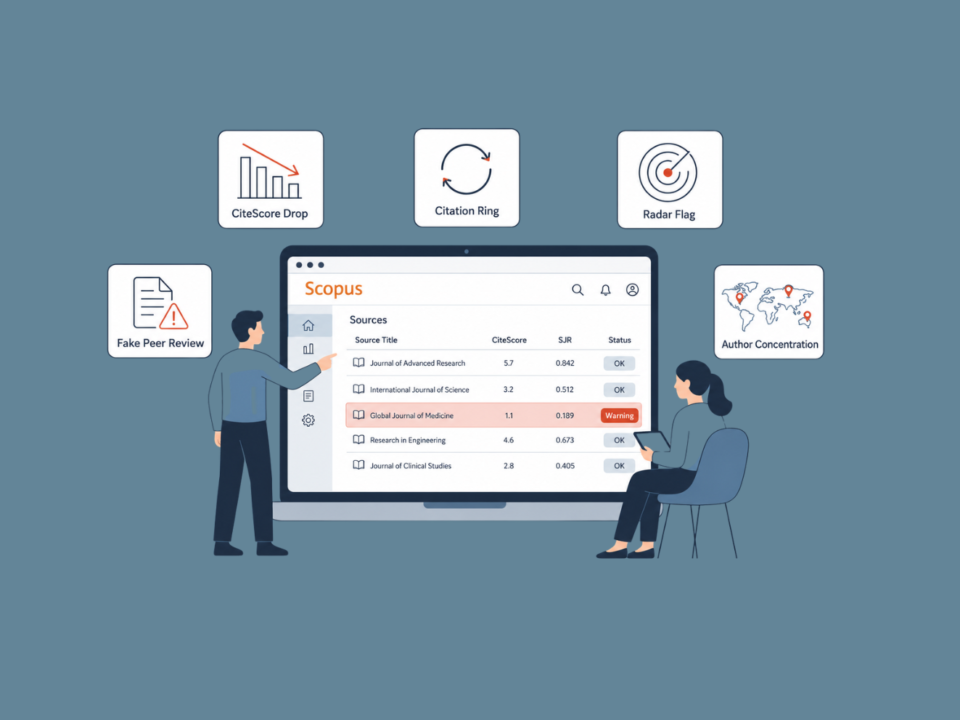
Use platforms like Scimago Journal Rankings (scimago.com) to review a journal’s ranking and read feedback from other researchers. Negative reviews or a declining percentile may signal poor practices.
Conclusion
The issue of predatory journals is becoming increasingly relevant for researchers across the globe. Academic pressure drives many to seek fast and easy publishing solutions — often leading to collaboration with unreliable publishers. The real danger is that these journals may lose their indexing status, causing authors to lose both their published work and valuable resources.
To protect yourself:
Verify the journal’s scope and consistency.
Be skeptical of overly quick publication promises.
Review published content and journal history.
Read feedback on trusted academic platforms.
Don’t want to fall into a predatory journal and lose your money, time and reputation?
We offer the service “Journal Selection in Scopus for Your Article”, which includes:
✅ An honest audit and methodological recommendations to ensure your article gets accepted;
✅ Selection of verified Scopus-indexed journals based on your budget, with a guarantee they won’t be delisted;
✅ Protection of your authorship rights;
✅ Full support until publication and communication with the journal.
Safe. Transparent. Professional.